


Speeding tickets in Ontario can have serious consequences. They affect more than just your wallet. Understanding these impacts is crucial for every driver. Check out https://www.trafficparalegalservices.com/speeding-tickets/ to know more
Ontario’s speeding laws are strict. They aim to ensure road safety. Breaking these laws can lead to hefty fines and other penalties.
The financial burden of a speeding ticket is significant. Fines vary based on how much you exceed the speed limit. But that’s just the beginning.
Demerit points are another consequence. Accumulating too many can lead to a suspended license. This can significantly disrupt your daily life.
Insurance rates are also affected. A speeding ticket can increase your premiums for years. This adds to the long-term financial impact.
Fighting a speeding ticket is an option. It requires understanding the legal process. Many drivers choose to contest their tickets in court.
Legal representation can be beneficial. A lawyer can help navigate the complexities of traffic law. This can lead to reduced fines or to charges being dismissed.
Special cases, like speeding in school zones, carry harsher penalties. Awareness of these zones is essential for all drivers.
New drivers face stricter penalties. G1 and G2 license holders must be particularly cautious. Their licenses are more easily affected by speeding tickets.
Understanding the full impact of speeding tickets is vital. It helps drivers make informed decisions. This knowledge can lead to safer driving habits.
In this article, we will explore these consequences in detail. We aim to provide a comprehensive guide for Ontario drivers.
Understanding Speeding Laws in Ontario
Ontario’s speeding laws are designed to promote safety. The laws are clear and enforced strictly. Drivers must know these rules to avoid penalties.
The Highway Traffic Act is the cornerstone of these laws. It outlines speed limits across the province. These limits vary depending on the type of road.
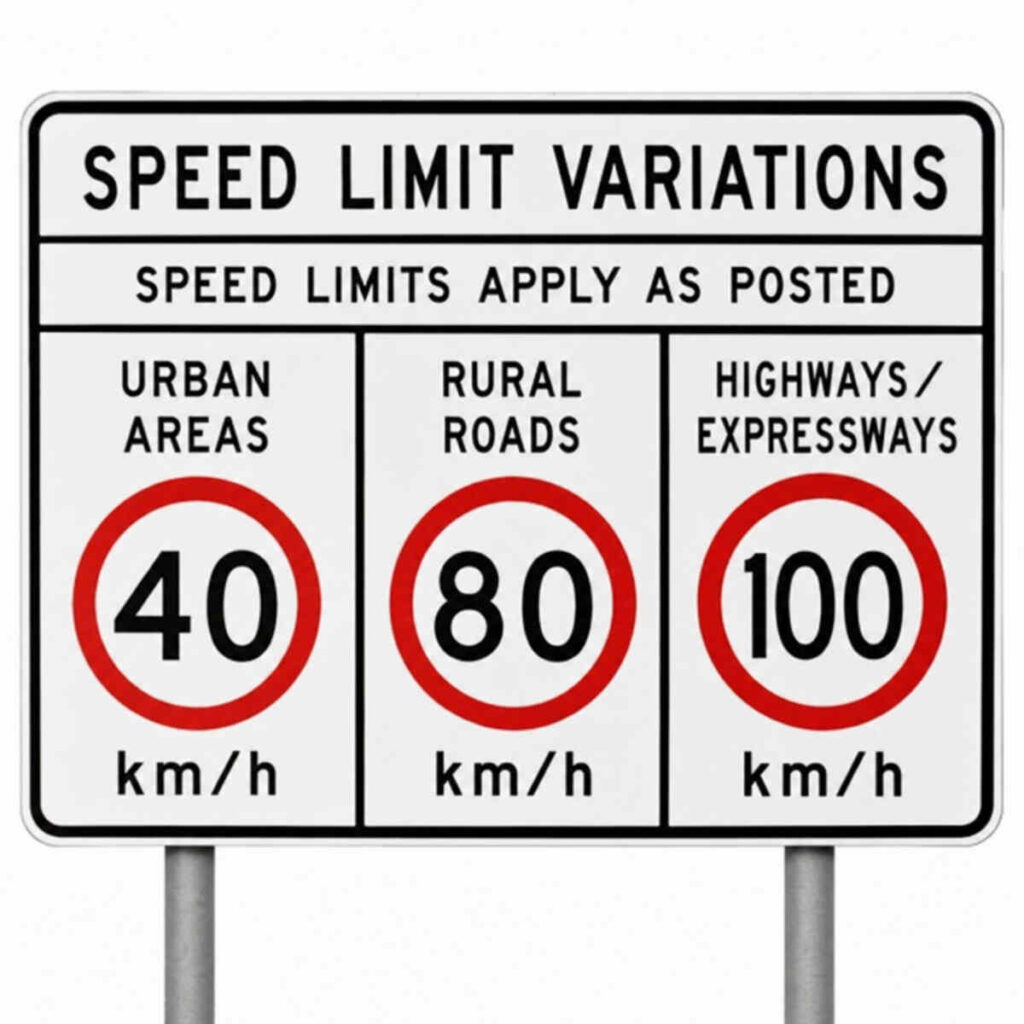
Residential areas usually have lower speed limits. Generally, these are set at 40 to 50 km/h. This helps ensure the safety of pedestrians and cyclists.
Highways have higher speed limits, typically 100 km/h. However, this can vary based on road conditions and local regulations.
Some areas have special speed limits. School zones and construction zones, for instance, often have reduced limits. Fines are higher if you’re caught speeding in these areas.
Here’s a quick summary of key points:
- Residential Roads: 40-50 km/h
- Highways: Typically 100 km/h
- School Zones: Lower limits with higher fines
- Construction Zones: Reduced limits for worker safety
Understanding these limits is crucial, but so is knowing how they’re enforced. Police officers and speed cameras monitor compliance. Both methods are effective deterrents.
Exceeding speed limits by even a small margin can result in a ticket. Ignorance of the law is not considered a valid defense. It’s essential to be aware of and adhere to posted speed limits.
In certain situations, the speed limit may differ due to temporary conditions, such as weather or traffic congestion. It’s important to adapt accordingly and prioritize safety.
Knowing Ontario’s speeding laws helps you drive responsibly. It also minimizes the risk of encountering legal issues. Thus, staying informed is your best defense against costly penalties.
Ontario Speeding Fines: How Much Will You Pay?
Speeding fines in Ontario vary based on the severity of the violation. The province uses a tiered system. This system considers how much over the limit a driver is caught.
Fines begin with minor infractions. If you’re found speeding by 1-19 km/h over the limit, the fine is relatively low. The cost per km is set but increases with each kilometer over the limit.
For more serious offenses, fines escalate quickly. Exceeding the limit by 20-29 km/h results in higher fines. The penalties are notably higher for these mid-range violations.
Here’s a quick breakdown of typical speeding fines:
- 1-19 km/h Over Limit: Moderate fines, around $3 per km.
- 20-29 km/h Over Limit: Fines increase, approximately $4.50 per km.
- 30-49 km/h Over Limit: Much higher fines, around $7 per km.
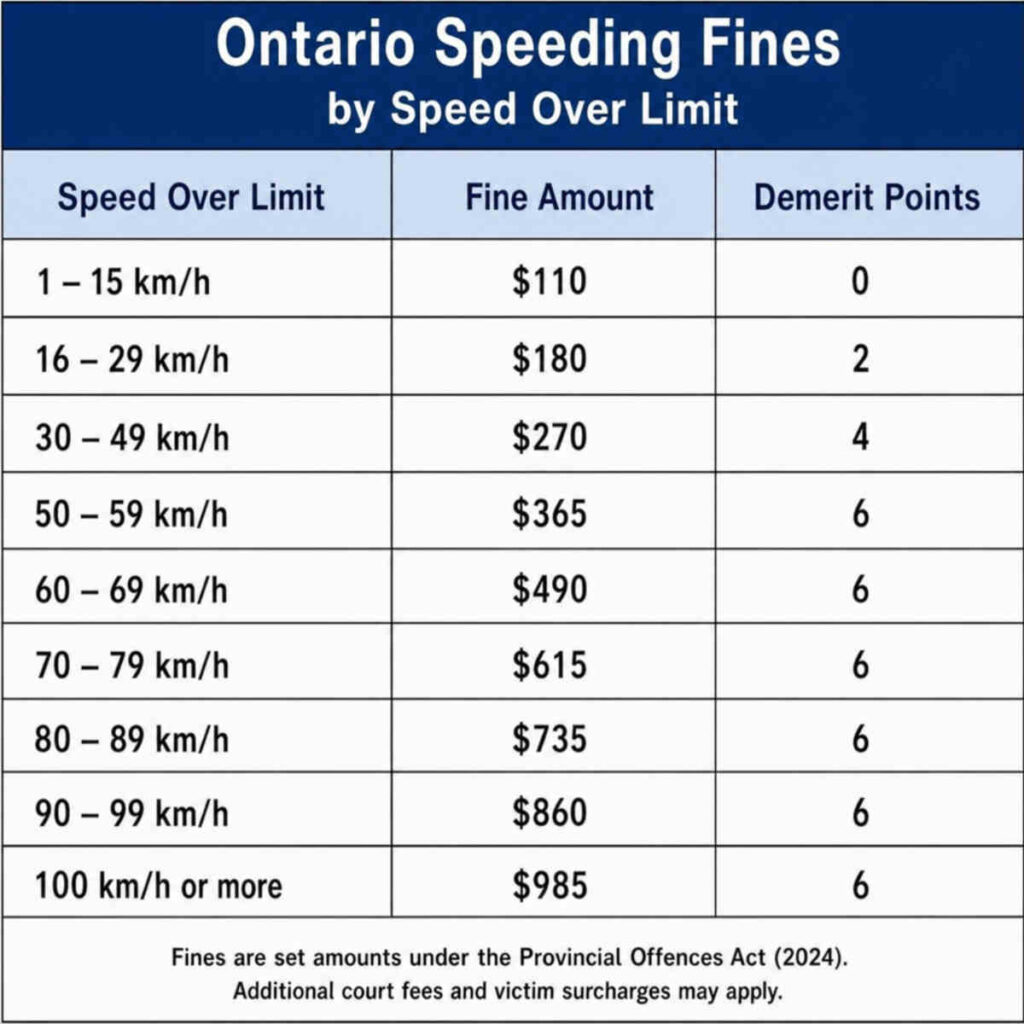
Going 50 km/h or more over the limit is severe. This falls under the category of ‘stunt driving’. The fines and consequences are much steeper, often requiring a court appearance.
Moreover, speeding in designated zones carries additional penalties. For instance, fines are doubled in school zones. This is to protect vulnerable pedestrians, such as children.
Construction zones also enforce tougher penalties. Workers’ safety is paramount, and the heightened fines reflect this priority.
Overall, paying these fines can cause financial strain. The base cost is just one part of the penalty. Additional fees and surcharges can also apply, driving costs higher.
Failure to pay a fine has consequences. Ignoring a ticket can lead to additional charges and interest. It might even result in a suspended license.
Drivers should consider additional costs beyond immediate penalties. Higher fines also affect insurance premiums, sometimes significantly.
Understanding Ontario’s fine structure helps drivers avoid costly mistakes. It encourages adherence to posted limits and consideration for others sharing the road.
Demerit Points System: What You Need to Know
In Ontario, speeding tickets come with demerit points. These points affect your driving record. Understanding this system is crucial for every driver in the province.
Demerit points are added to your record upon conviction. Speeding 16-29 km/h over the limit results in three points. If you exceed by 30-49 km/h, you’ll incur four points.
Drivers caught speeding 50 km/h or more over the limit receive six points. This is the maximum for speeding, but not the overall maximum possible for infractions.
The demerit points system is cumulative. Points remain on your record for two years from the offense date. Consistently collecting points can lead to serious consequences.
Here’s how demerit points impact you:
- Two-Year Duration: Points stay on your record for two years.
- Escalating Penalties: Accumulate too many points, and risk your license.
- Tiered Penalties: Different speeds incur different points, reflecting severity.
New drivers with a G1 or G2 license face stricter penalties. Accumulating six points results in a warning letter, but nine points may result in a license suspension.
Fully licensed drivers face suspensions upon accumulating 15 points. The punishment is a 30-day suspension, meant to deter repeat offenses.
Demerit points affect more than just your record. They can lead to increased insurance rates. Insurers view points as a sign of risk, which affects premiums.
Keeping a clean record is essential. Regularly check your points through the Ontario Ministry of Transportation. This practice helps in avoiding unwelcome surprises.
Understanding the demerit system helps maintain a good driving record. Stay informed and adhere to traffic laws for safer roads and fewer penalties.
Insurance Impacts of Speeding Tickets
Speeding tickets in Ontario affect more than just your wallet. They can significantly impact your insurance rates. Understanding these repercussions is crucial for managing your finances and avoiding unwelcome surprises.
Insurance companies view speeding tickets as a sign of risky behavior. This perception leads to increased insurance premiums. The extent of the increase varies, depending on factors like your driving history and the severity of the offense.
Typically, insurance rates can rise by 10-25% after a single speeding ticket. However, multiple tickets within a short period can result in even higher increases. Insurers may consider you a high-risk driver, leading to substantial rate hikes.
Several factors influence the impact of a speeding ticket on your insurance:
- Driving Record: A clean record prior to the ticket may lessen the impact.
- Severity of Offence: Higher speeding above the limit results in a greater rate increase.
- Insurance Provider: Different insurers have varying policies and thresholds.
A speeding ticket can affect insurance rates for up to three years. During this period, maintaining a clean record is crucial to mitigating further increases. If you accumulate additional tickets, be prepared for further hikes in your premiums.
Some insurance providers offer forgiveness programs. These programs might waive the impact of your first minor speeding ticket. Check with your insurer to see if they offer such a program, as it can be a financial lifesaver.
Here’s what you can consider to manage your insurance after receiving a ticket:
- Shop Around: Not all insurers will react the same way; comparing quotes is wise.
- Improve Driving Habits: Demonstrating safe driving post-ticket can favorably impact your rates over time.
- Consult a Broker: Professionals can help find options that minimize the impact on your insurance rates.
Should you find your insurance premiums unbearable, consider raising your deductible. This action lowers your monthly premium but increases your payment responsibility after an accident.
A final option is to take a defensive driving course. Successful completion might lead some insurers to reduce rates, as it shows initiative in improving your driving skills.
In conclusion, speeding tickets have a notable impact on insurance. Taking proactive steps and understanding your insurance provider’s policies can help manage rate increases and maintain affordability.
Speeding Ticket Process: From Stop to Court
Getting stopped for speeding in Ontario can feel stressful. However, understanding the process can alleviate some anxiety. Let’s break down what happens from the initial stop to a possible court appearance.
Initially, when a police officer stops you for speeding, remain calm. It’s important to pull over safely. Have your driving license, registration, and insurance papers ready. The officer will check these documents and inform you why you were stopped.
You will receive a ticket, detailing the offense and fine amount. This document is crucial and includes options on how to proceed. Carefully read and understand your ticket, as this is your guide to the next steps.
Here are the typical steps in handling a speeding ticket:
- Pay the Fine: Admit guilt by paying the penalty, leading to demerit points.
- Request a Trial: Contest the ticket and possibly have the charges reduced or dismissed.
- Negotiate: Meet a prosecutor to discuss the possibility of reducing charges.
If you choose to contest, you will file a Notice of Intention to Appear in court. This step does not guarantee a trial; it simply informs the court of your desire to contest. Be mindful of deadlines, as late filings can forfeit your right to contest.
Next, you’ll receive a court date. This date is your opportunity to present your case. Prepare thoroughly, either by hiring a legal representative or gathering evidence yourself.
At the trial, both you and the officer may provide testimony. The judge or justice of the peace will hear the evidence presented. Their role is to determine if you are guilty beyond a reasonable doubt.
If found guilty, you’ll pay the fine, and any demerit points applied will remain on your record. If you are acquitted, the charge will not affect your driving record or insurance.
Remember to take the decision seriously and consider seeking legal advice. Knowing how the process works can empower you to make informed decisions about contesting the ticket or accepting the consequences.
Paying Your Speeding Ticket: Options and Deadlines
Once you receive a speeding ticket in Ontario, you need to address it promptly. Ignoring it can lead to greater penalties and complications. Fortunately, there are several straightforward options to pay your ticket.
First, decide if you’ll accept the charges and pay the fine. Paying the fine is an admission of guilt. This decision should be made carefully, as it impacts your driving record and insurance premiums.
When ready to pay, you have multiple convenient methods available:
- Online Payment: Use the provincial government’s website for a quick transaction.
- By Mail: Send a cheque or money order to the address on your ticket.
- In Person: Visit the courthouse or designated center listed on your ticket.
Every ticket has a clear deadline by which it must be addressed. Typically, you have 15 days from the date of issue to respond. Failing to meet this deadline can lead to additional fines or a suspended license.
If you choose to handle this in person or by mail, ensure that your payment or response reaches the right office on time. Double-check addresses and consider potential postal delays if mailing.
Online payments offer the advantage of speed and receipt confirmation. When using this option, verify that the transaction has completed to avoid errors.
Regardless of the payment method you choose, keep a copy of your payment receipt. This record is vital for proving that the fine was settled.
Handling a speeding ticket efficiently reflects responsible driving. It prevents further legal issues and maintains peace of mind. These clear options ensure that everyone can manage their responsibilities effectively without hassle.
Fighting a Speeding Ticket in Ontario
Contesting a speeding ticket in Ontario can be a wise choice. It’s possible to reduce or dismiss charges with the right approach. The process begins with deciding whether to dispute the ticket rather than pay the fine.
First, ensure to file a notice of intention to appear in court. This action informs the court of your intent to contest. You typically need to submit this notice within 15 days of receiving the ticket.
Once your notice is filed, prepare for the hearing. Gather all relevant evidence and documentation. Evidence may include photographs, witness statements, or vehicle calibration records.
Consider hiring legal representation. Lawyers or paralegals experienced in traffic law can provide valuable advice. They understand legal procedures and can present a more robust defense.
Key Factors to Consider When Fighting a Ticket:
- Accuracy of Speed Measurement: Was the radar or speed gun accurate?
- Officer’s Observations: Were there errors in the officer’s report or observations?
- Signage Visibility: Was the speed limit sign clear and visible?
Preparing for court involves understanding the legal terms and processes. Brush up on Ontario’s Highway Traffic Act to strengthen your case. Knowledge of traffic regulations can give you an edge.
The judge or justice of the peace will listen to both sides during the hearing. They’ll decide based on evidence presented. A well-prepared defense increases the chance of a favorable outcome.
Common Court Outcomes:
- Charge Reduction: Fines or demerit points might be lessened.
- Dismissal: In some cases, charges may be dropped entirely.
- Conviction: You might still be found responsible and receive the original penalty.
Appearing in court is a formal procedure. Dress appropriately and address the court respectfully. Professionalism can influence the proceedings positively.
Keep track of all deadlines and court dates. Missing a court appearance can lead to immediate conviction or heavier penalties. Being organized minimizes risks.
Alternatively, explore plea bargaining opportunities. Negotiating a lesser charge before the trial can sometimes yield better results. This approach often requires skilled negotiation.
Remember, every case is unique. Factors such as prior offenses or ticket specifics can impact outcomes. Customized defense strategies are usually the most effective.
Being proactive and knowledgeable empowers you during this process. While contesting a speeding ticket can be difficult, it offers a chance to avoid harsh penalties. This approach benefits your driving record and wallet in the long run.
Speeding Ticket Defense Strategies
Successful defense strategies can significantly impact the outcome of your speeding ticket case. Each strategy should be tailored to the specifics of your situation. Understanding the available options increases the likelihood of a favorable result.
One common defense is questioning the accuracy of the speed measurement. Speed detection devices can sometimes produce incorrect readings. It’s essential to examine whether the radar or speed gun was properly calibrated.
In addition, you might argue that environmental factors affected your speed. Slippery roads or inclement weather can complicate speed readings. These factors can serve as plausible explanations for minor speed discrepancies.
Another approach focuses on visibility and signage. If speed limit signs were not visible, you could argue you were unaware of the speed limit. Proper documentation, like photographs, strengthens this defense.
Assessing the officer’s observations is also crucial. Investigate if they might have made errors during the issuance of the ticket. Sometimes, mistakes in the officer’s notes can lead to a reduction or dismissal.
Potential Defense Tactics:
- Calibration Records: Request proof that the speed measuring equipment was calibrated.
- Officer’s Testimony: Evaluate inconsistencies in the officer’s testimony or report.
- Witness Accounts: Present witnesses who can support your version of events.
Some drivers choose to plead to a lesser offense in court. This plea bargaining can result in reduced charges. Discussing options with a legal representative can help negotiate a better outcome.
Legal Representation Benefits:
- Expertise: Knowledgeable in traffic laws and court procedures.
- Negotiation Skills: Ability to secure plea deals or reduced charges.
- Documentation Review: Can identify errors in the ticket that may help your defense.
Taking a proactive stance by attending a defensive driving course can be advantageous. Courts may view this favorably, showing your commitment to improving driving habits. Reductions in demerit points sometimes accompany course completion.
However, not all defenses will be valid for every situation. It’s vital to assess the merits of your specific case. A skilled legal advisor can help determine the best course of action.
Additionally, understanding the procedural aspects of contesting the ticket is important. Ensuring all paperwork is accurately filed and deadlines met is critical. Administrative errors can derail even the best defense strategy.
Ultimately, the key to a successful speeding ticket defense lies in preparation and diligence. By considering various strategies and seeking appropriate advice, you can effectively challenge a ticket. This approach can alleviate financial and personal burdens associated with speeding violations.
Special Cases: School Zones, Construction Zones, and Stunt Driving
Speed limits are crucial in specific areas like school zones and construction sites. These zones have reduced speed limits for public safety. Non-compliance can lead to significantly higher penalties.
In school zones, drivers must exercise extreme caution. Speed limits in these areas are usually lower, especially during school hours. Violating these limits often results in doubled fines.
Construction zones pose unique challenges for drivers. Workers’ safety is a primary concern, necessitating strict enforcement. Speed fines are usually doubled in these areas to emphasize seriousness.
Penalties for speeding in construction zones can extend beyond fines. Drivers may face additional consequences, such as higher demerit points. These implications can have long-term effects on a driver’s record.
Stunt driving is another critical area of focus. Ontario defines stunt driving as exceeding the speed limit by 50 km/h. It includes activities such as road racing and performing stunts.
Penalties for stunt driving are severe. Immediate license suspension and vehicle impoundment are common. The financial and legal repercussions can be crippling.
The key elements of these special cases:
- School Zones: Require reduced speeds during specific times for student safety.
- Construction Zones: Enforce strict speeds to protect workers and maintain site safety.
- Stunt Driving: Involves excessive speeding and dangerous driving practices.
Understanding these distinct situations is essential for all drivers in Ontario. Being well-informed helps avoid unintended violations. Awareness and adherence to the laws ensure safer roads for everyone.
Taking proactive steps can aid in compliance with these regulations. Regularly checking the speedometer and being mindful of road signs is advisable. Planning routes can also minimize speeding risks, especially in high-traffic areas.
Thus, knowledge and vigilance play a pivotal role in navigating these special zones. Adjusting driving habits accordingly not only averts penalties but also safeguards community welfare.
New and Young Drivers: G1 and G2 License Holders
In Ontario, new and young drivers face specific rules and penalties. The graduated licensing system is in place to enhance safety. G1 and G2 license holders must adhere to stricter guidelines.
G1 drivers have multiple restrictions. They must drive with a fully licensed driver by their side. Night driving is restricted, and no alcohol is allowed.
G2 license holders have more freedom but still face limitations. For instance, night driving restrictions apply to young drivers under 20. Zero alcohol tolerance is another critical rule to follow.
Speeding violations carry additional risks for these drivers. Penalties can be harsher compared to those for fully licensed drivers. Both license types are subject to potential suspensions after fewer infractions.
Here is a summary of key penalties:
- G1 and G2 Restrictions: Include zero-alcohol tolerance and night-driving limits.
- Strict Penalties: Speeding tickets can lead to immediate suspensions.
- License Suspensions: Accumulating demerit points quickly can result in a license suspension.
Speeding offenses can severely impact a young driver’s future. Not only do they risk license suspension, but they can also face higher insurance rates. This financial burden may stretch for several years.
Understanding the seriousness of these rules is vital. Young drivers should consistently practice safe driving habits. This helps in gradually earning full driving privileges.
Regular education on road safety is beneficial. Many opt for defensive driving courses to boost skills and awareness. By doing so, they not only avoid penalties but also contribute to safer roads.
In summary, adhering to regulations is crucial for new drivers. Awareness and caution prevent costly mistakes and ensure everyone’s safety.
Long-Term Consequences: Employment, Travel, and More
Speeding tickets in Ontario carry more than just immediate penalties. They can have far-reaching impacts on various aspects of life. Awareness of these long-term consequences is crucial.
One significant area affected is employment. Certain jobs require a clean driving record. Employers often conduct background checks, which may include driving histories. Multiple speeding tickets can impede job prospects.
Travel plans can also be impacted. Some countries may deny visas or entry based on a poor driving record. This is especially true for individuals seeking long-term stays. Maintaining a clean record can facilitate smoother travel experiences.
Insurance rates are another area of concern. Speeding tickets often lead to increased premiums. These costs can persist for up to three years. Multiple offenses can result in substantial financial strain over time.
Here’s a summary of the long-term implications:
- Employment Opportunities: Affected by a poor driving record.
- Insurance Premiums: Increased due to tickets, lasting several years.
- Travel Restrictions: Potential visa challenges based on records.
Beyond financial concerns, there are personal impacts to consider. A tarnished driving record can influence personal relationships and responsibilities. For families depending on shared driving duties, this can be especially problematic.
Moreover, the stress and anxiety associated with a poor driving history can extend into daily life. This can affect overall well-being. Prioritizing safe driving practices can help mitigate these stresses.
In conclusion, understanding these long-term effects encourages more mindful driving. It’s about more than just avoiding tickets; it’s about safeguarding future opportunities. Responsible driving ensures that life’s opportunities remain available and unhindered.
How to Avoid Speeding Tickets in Ontario
Avoiding speeding tickets in Ontario requires attentiveness and proactive driving strategies. A few simple adjustments can significantly reduce the risk of infractions. Here, we’ll explore effective techniques for maintaining a clean driving record.
One fundamental approach is to understand and respect speed limits. These limits are set for safety reasons. Stay alert to posted signs, as speed restrictions may change unexpectedly, especially in urban areas.
Make it a habit to monitor your speedometer regularly. This helps you stay within legal limits. Awareness of your speed is critical in avoiding unintentional violations.
Situational awareness plays a crucial role. Be mindful of environmental factors such as weather and road conditions. Adjust your speed accordingly. Fog, rain, and snow necessitate slower driving to ensure safety.
Another effective strategy involves strategic driving routes. Consider routes with less traffic and known enforcement zones. Familiarity with common speed traps can help you navigate roads cautiously.
Here are two lists of tips:
Vehicle Maintenance Tips:
- Regular Check-ups: Ensure your vehicle operates optimally.
- Functional Speedometer: Ensure it’s accurate.
- Proper Tire Inflation: Enhances control and safety.
Safe Driving Practices:
- Plan Ahead: Allocate extra travel time.
- Maintain Distance: Ample space to respond safely.
- Avoid Distractions: Focus solely on driving tasks.
Technology can assist, too. Many GPS devices and apps offer real-time updates on speed limits. They alert you if you exceed the limit, serving as an additional precautionary measure.
Education is another aspect to consider. Enroll in defensive driving courses to enhance your skills. These courses often provide insights into safe driving habits and legal obligations, arming you with knowledge to avoid violations.
Ultimately, the key to avoiding tickets lies in consistent adherence to traffic laws. Treat every drive as an opportunity to hone safe driving skills. By implementing these strategies, you can ensure a safer journey for yourself and fellow motorists on Ontario’s roads.
Frequently Asked Questions About Speeding Tickets Ontario
Navigating the rules surrounding speeding tickets in Ontario can be complex. The following frequently asked questions aim to clarify common concerns.
What happens after receiving a speeding ticket?
Once you receive a ticket, you’ll need to decide whether to pay it or contest it. Paying the ticket results in automatic penalties. Contesting it involves setting a court date for your defense.
How do speeding tickets impact insurance premiums?
Insurance rates usually rise after a speeding conviction. The increase depends on the offense’s severity and your driving history.
What are the deadlines for responding to a speeding ticket?
You typically have 15 days to respond. Failure to do so can lead to additional penalties.
Here’s a quick list of common queries with brief answers:
- Can I contest a speeding ticket if I’m guilty?
- Yes, you can contest to negotiate a reduced penalty.
- Do demerit points transfer between provinces?
- Generally, they do not, but check specific agreements between provinces.
- Are there different fines for different speed limits?
- Yes, fines increase with higher speeds over the limit.
Can speeding tickets affect my job prospects?
For jobs that require a clean driving record, a ticket may affect your eligibility. Employers often review driving history for such positions.
How can I check the status of my ticket?
You can check online through Ontario’s official government website. This platform provides details on demerit points and fines.
Understanding these aspects allows for informed decision-making. Stay aware of your rights and obligations to effectively manage any tickets you receive in Ontario.
Resources and Where to Get Help
When dealing with a speeding ticket in Ontario, you may feel overwhelmed. Fortunately, several resources are available to assist you. Understanding where to seek help can significantly ease the process.
One valuable resource is the Ontario Ministry of Transportation’s website. They offer comprehensive information on traffic laws and penalties. You can also access tools to check your demerit points and ticket status.
Legal assistance can be invaluable. Many law firms specialize in traffic violations and can offer expert advice on your case. Hiring a lawyer may increase your chances of a favorable outcome.
For those preferring guidance from peers, online forums and community groups are helpful. These platforms allow drivers to share experiences and tips for handling tickets. They provide real-world insights into what to expect and how to proceed.
Here’s a list of key resources to consider:
- Ontario Ministry of Transportation: Official guidelines and online tools.
- Legal Aid Services: Access to specialized traffic lawyers.
- Community Forums: Peer advice and shared experiences.
Having the right resources can reduce the stress associated with speeding tickets. Use these tools to navigate your options wisely. Making informed decisions becomes easier with these supports in place.
Conclusion: Making Informed Choices on Ontario Roads
Understanding the consequences of speeding tickets in Ontario is crucial. Being informed helps drivers make better choices and avoid unnecessary penalties. Awareness is key to maintaining a clean driving record.
Speed limits exist to ensure safety for all road users. Adhering to them reduces the risk of accidents and legal repercussions. Ultimately, it is about making roads safer for everyone.
Educating yourself about speeding laws can prevent costly mistakes. It empowers drivers to take responsibility for their actions. This knowledge can also save money on fines and insurance.
Finally, remember that help is available if you need it. Use resources wisely to navigate any speeding ticket issues. Making informed choices today leads to fewer complications tomorrow. Stay aware and drive safely to maintain peace of mind on the road.